
Understanding the psychology of players in casinos What makes them tick
The Allure of Chance
The thrill of uncertainty is one of the primary reasons players are drawn to casinos. The anticipation of winning big can evoke intense emotions, creating a cocktail of excitement and fear. This psychological phenomenon is deeply rooted in our cognitive wiring, as the brain often reacts more strongly to potential losses than to equivalent gains. This heightened sensitivity to loss can lead players to chase their losses, sometimes causing them to gamble more than they originally intended. By visiting an online resource like fair go casino, players can enhance their understanding of these psychological triggers and navigate their gambling choices more wisely.
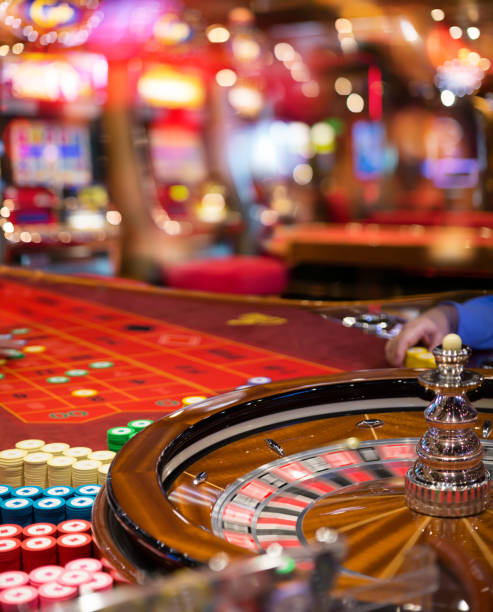
Moreover, the randomness of games in casinos reinforces the belief in luck, which can be both a motivator and a trap. Players may become convinced that they are on the verge of a win, spurred on by previous successes or the belief that luck is due to turn in their favor. This mindset can lead to a cycle of gambling that is difficult to break, making it essential to understand the psychology behind these behaviors.
The Role of Environment
The casino environment plays a significant role in shaping players’ experiences. Bright lights, engaging sounds, and strategically placed machines create an atmosphere designed to keep players engaged. Casinos often employ psychological tricks, such as providing complimentary drinks or using layouts that encourage players to stay longer. This sensory overload can lead to altered states of awareness, where players lose track of time and money spent.
The design of the casino itself can also manipulate players’ emotions. For instance, the absence of clocks and windows helps create a sense of timelessness, further engrossing players in the experience. Understanding how these environmental factors affect behavior can shed light on why players often gamble beyond their means.
Social Dynamics in Gambling
Human interaction is another critical factor in the psychology of casino players. The camaraderie built among players, whether at table games or slot machines, can enhance the gaming experience. Many players enjoy the social aspect of gambling, which can turn an individual activity into a communal event, fostering a sense of belonging and shared excitement.
Additionally, the presence of dealers and staff can influence players’ behavior. Friendly interactions can boost players’ moods, encouraging them to gamble more. This social reinforcement can be a double-edged sword; while it may enhance enjoyment, it can also lead to riskier gambling behaviors as players feel more comfortable in a social setting.
Addiction and Risk Management
The thrill of gambling can easily escalate into addiction for some players. Understanding the psychological markers of gambling addiction is essential for both players and those around them. Compulsive gambling is often driven by a need for excitement or to escape from everyday stressors, creating a dangerous cycle that can be hard to break.
Risk management becomes crucial in this context. Players must learn to set boundaries and recognize when their gambling habits may be veering into dangerous territory. Awareness of personal limits and the potential for addiction is a vital part of maintaining a healthy relationship with gambling.

Fair Go Casino Australia
For those seeking to explore the world of online gambling responsibly, Fair Go Casino Australia serves as a valuable resource. This platform is designed to guide players through various online pokies, offering insights and tips to enhance the gaming experience without succumbing to unhealthy habits.
By providing easy access to top-rated casinos and generous no deposit bonuses, Fair Go Casino Australia ensures that both casual players and seasoned veterans can enjoy a safe and entertaining environment. Their user-friendly approach simplifies the journey through the online gaming landscape, allowing players to focus on enjoyment while being mindful of their gambling practices.